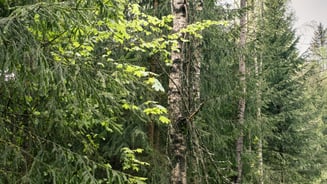
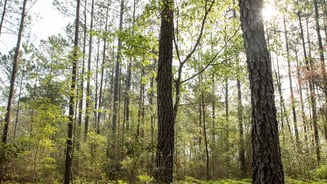
View over a green lush forest

Forestland Investments

We invest in forestland for the long term to ensure this vital resource is managed responsibly.

Wood is an essential part of the IKEA identity. We invest in forestland because we believe we can play an important role in supplying wood from responsible sources for our everyday lives.

We invest in forestland for the long term, committing to no net forest loss across our entire portfolio. All forests we own are managed to the Forest Stewardship Council standard and independently audited annually, with Forest Management Plans publicly available. In FY25, 94.7% of our portfolio was independently certified, with the remaining 5.3% actively progressing through the certification process. More information can be found in the Ingka Group Annual Summary and Sustainability Report.

“We take pride in how we manage our forests and strive to lead by example, recognising our ability and responsibility to further improve.”

Our portfolio in numbers 

As at February 2026

495,000 hectares of forests in seven countries (the Baltic states, Romania, United States, Aotearoa New Zealand and Finland)

Almost 14 million seedlings planted (financial year 2025 level)

Approximately 10,500 hectares of afforestation and regeneration (financial year 2025)

22% of forest area included in conservation area network (including HCV)

About 14% of our harvested wood goes back into IKEA products through the open market

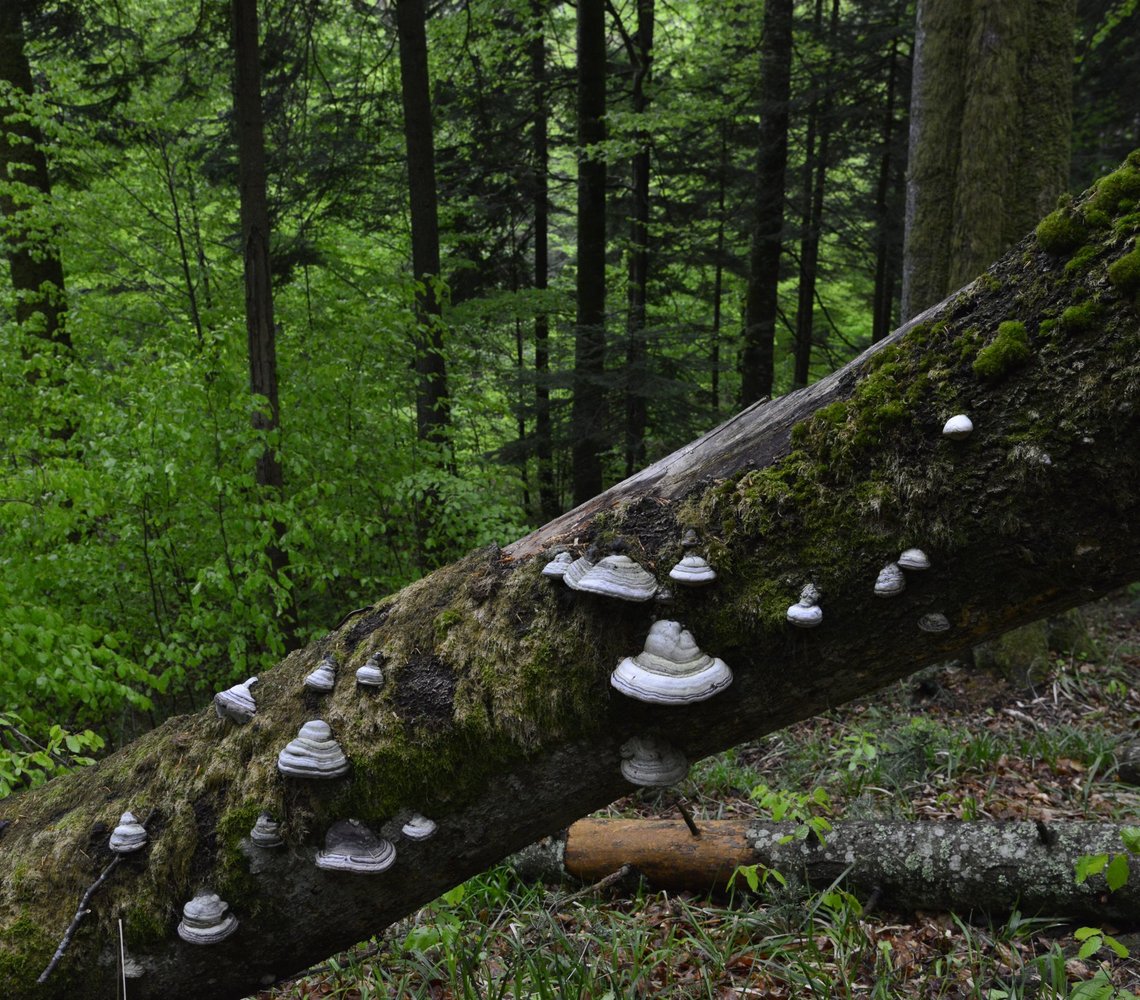
A fallen tree trunk with tick mushrooms
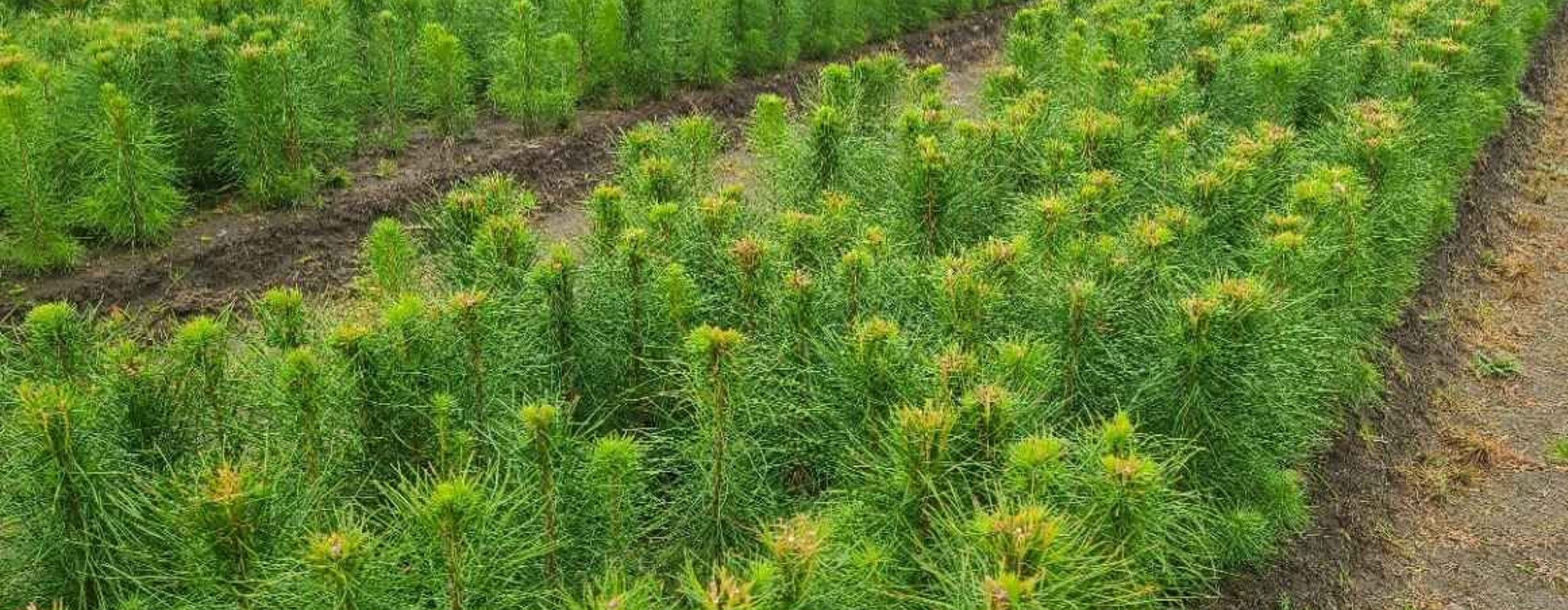
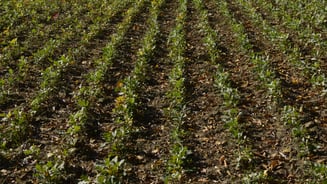
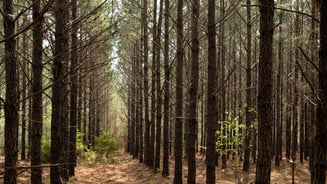
Rows of small tree plants on farmland

Responsible forest management

“Our forests are mankind’s greatest assets”, Ingvar Kamprad, 1996

Through our everyday work we want to show that responsible forest management is good from both a commercial and environmental perspective. We manage our forest portfolio with a focus on three pillars – conservation and biodiversity; community engagement; regeneration, reforestation and afforestation.

Conservation and biodiversity

We manage 22% of our forestland with environmental objectives first, with half designated as no-harvest zones to protect rare, threatened, and endangered species and habitats.

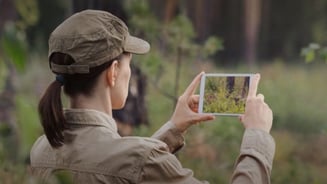
Using digital tools, such as drones, satellite imagery, and mobile apps, we aim to harness the power of data to optimise our conservation efforts.

We are dedicated to minimising the impact on wildlife and safeguarding habitats and ecosystems, both in our set aside priority areas and within our commercial forest areas.

While all our forests are certified (or in the process of certification) according to the Forest Stewardship Council standard, we aim to go beyond. The certification ensures no net forest loss, but we want to contribute to setting higher standards for responsible forestry, for instance by piloting an approach that emphasises minimal intervention and natural regeneration.

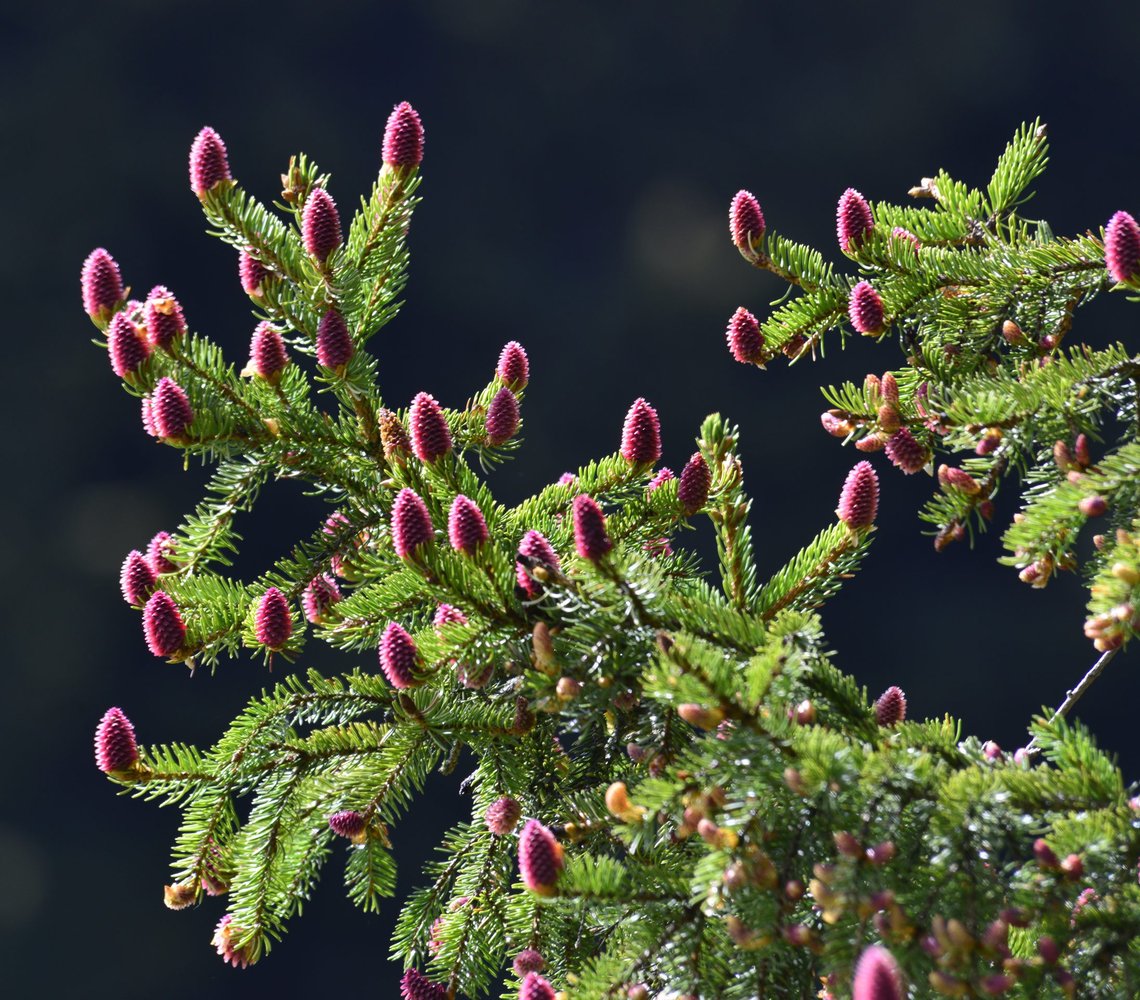
Small, purple pine cones on tree branches

Community engagement 

Almost all of our forests are accessible to the public to be enjoyed, from hikers, to photographers, campers and foragers. We want local people to enjoy the benefits of the forests.

Local communities are involved in decision making and our forest management plans publicly available. Community engagement is about more than just consultation; it’s about building long-term relationships and trust.

We collaborate with local conservation organisations to ensure we work with local experts as we conduct biodiversity studies, mapping and monitoring programs.

By investing in community programs and activities in our forests, we hope to not only improve community well-being, but also promote a culture of stewardship and encourage shared responsibility for forest preservation.

We are active members of the communities we operate in, supporting local economies and businesses as we believe forests should benefit the people who depend on them.

By creating local jobs with fair wages and safe working conditions, we aim to provide decent and meaningful work for those who depend on forests. Our partners are held to the highest industry standards, ensuring that they follow globally recognised credible certification systems that protect workers’ safety and rights. Co-workers and contractors in our forestland operations are required to be paid at or above the applicable living wage or sector minimum, in line with ILO Core Labour Standards. Our partners must comply with the Forest Stewardship Council’s social and labour requirements and our Terms of engagement. Compliance is audited annually, both internally and externally.

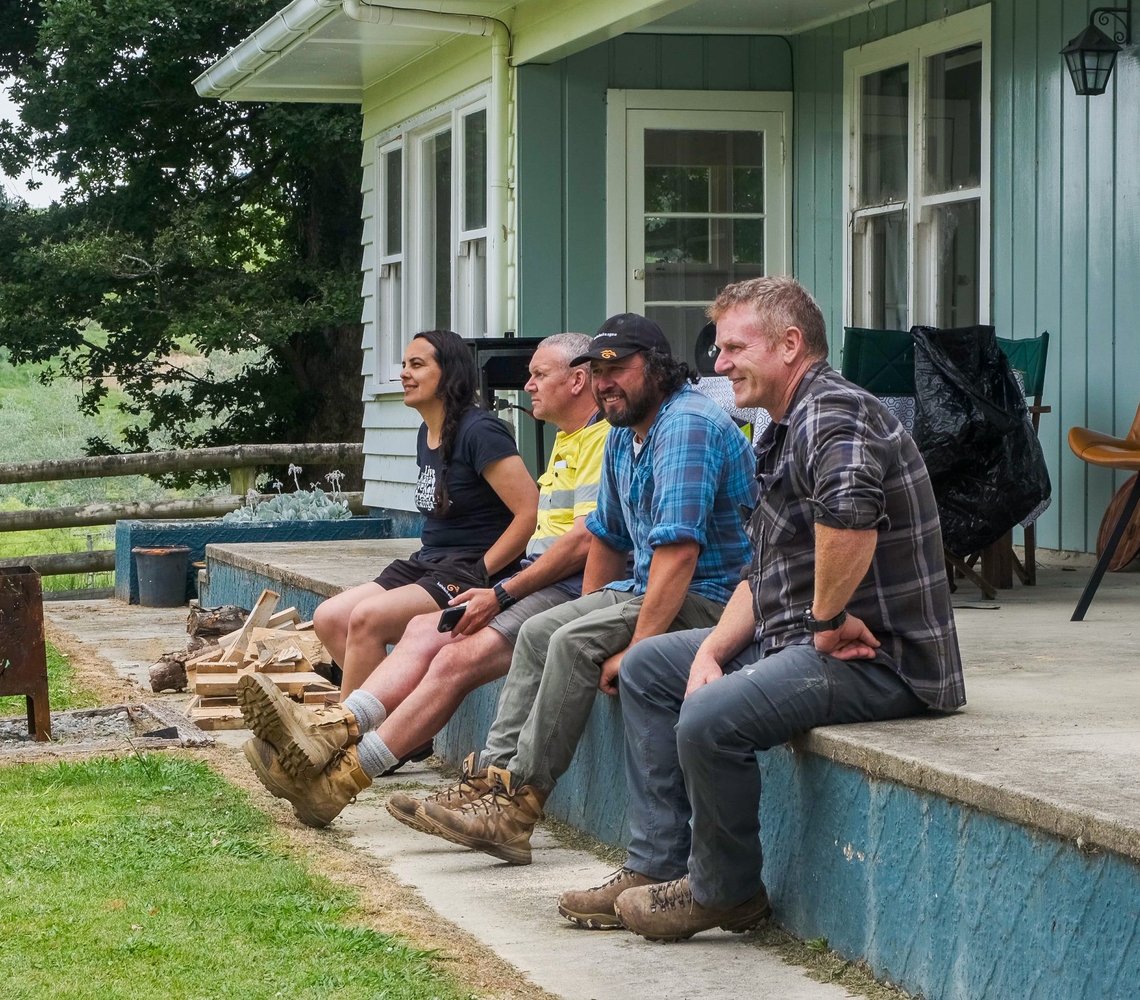
People chatting at the backyard

Regeneration, reforestation and afforestation

Wherever wood is harvested, the areas are replanted with seedlings or through natural regeneration, in line with the Forest Stewardship Council standrad.

We also plant trees to create new forests on land that did not previously have forests on it, such as land that is less suitable for highly productive crop farming. By carefully planning to ensure that the right species are planted in the right places, we aim to maximise both ecological and economic benefits while creating new habitats for wildlife.

Did you know…

  • Ingka-owned forests have a net growth estimate of 0.5 million cubic meters per year, meaning we harvest less than the natural growth of the forest.
  • Created 5000+ ha of new forest in FY25 alone.
  • In FY25, we planted almost 14 million seedlings in Ingka-owned forests.
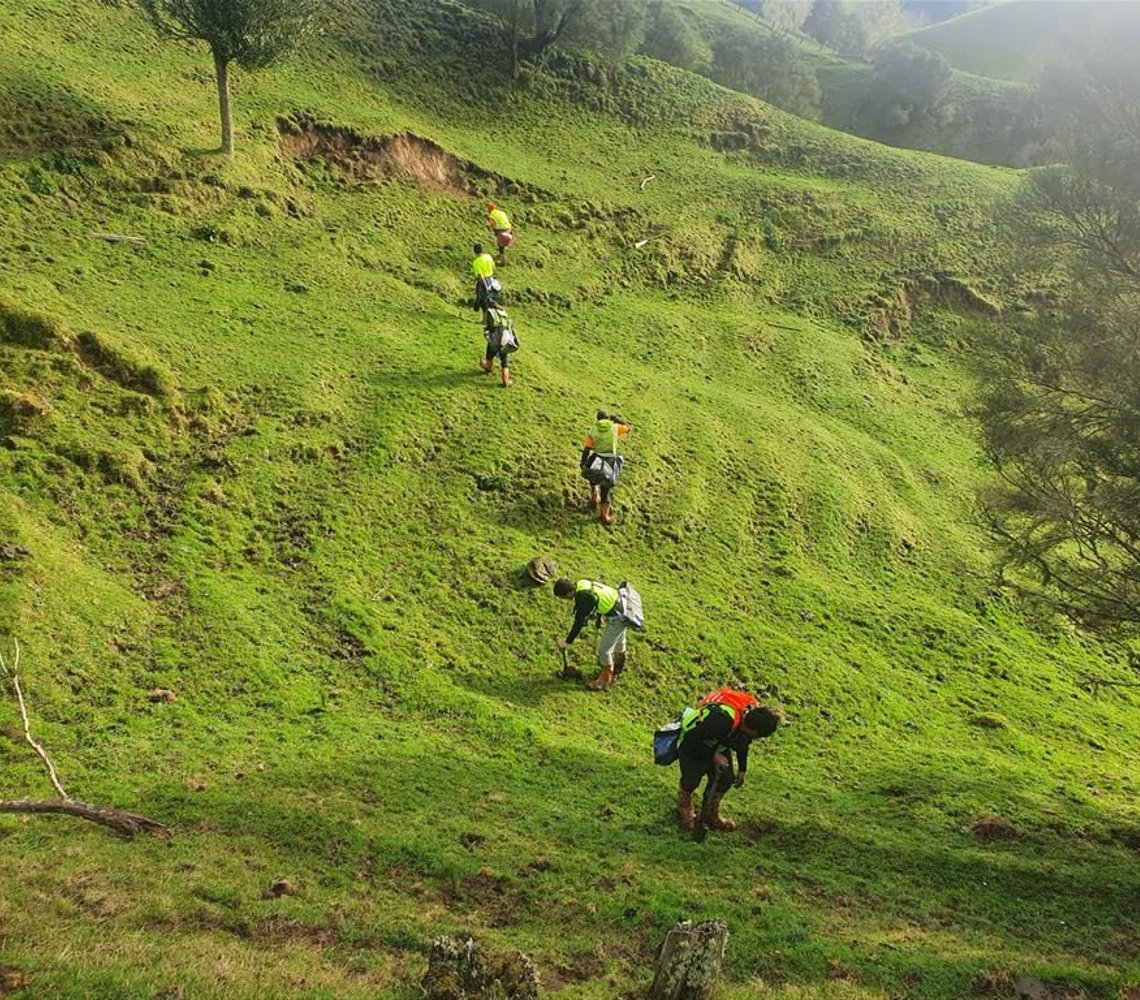
People working with planting trees on a slope

Do you have an opportunity for us?

Stay up to date

Follow Ingka Investments on LinkedIn for the latest news and announcements.